
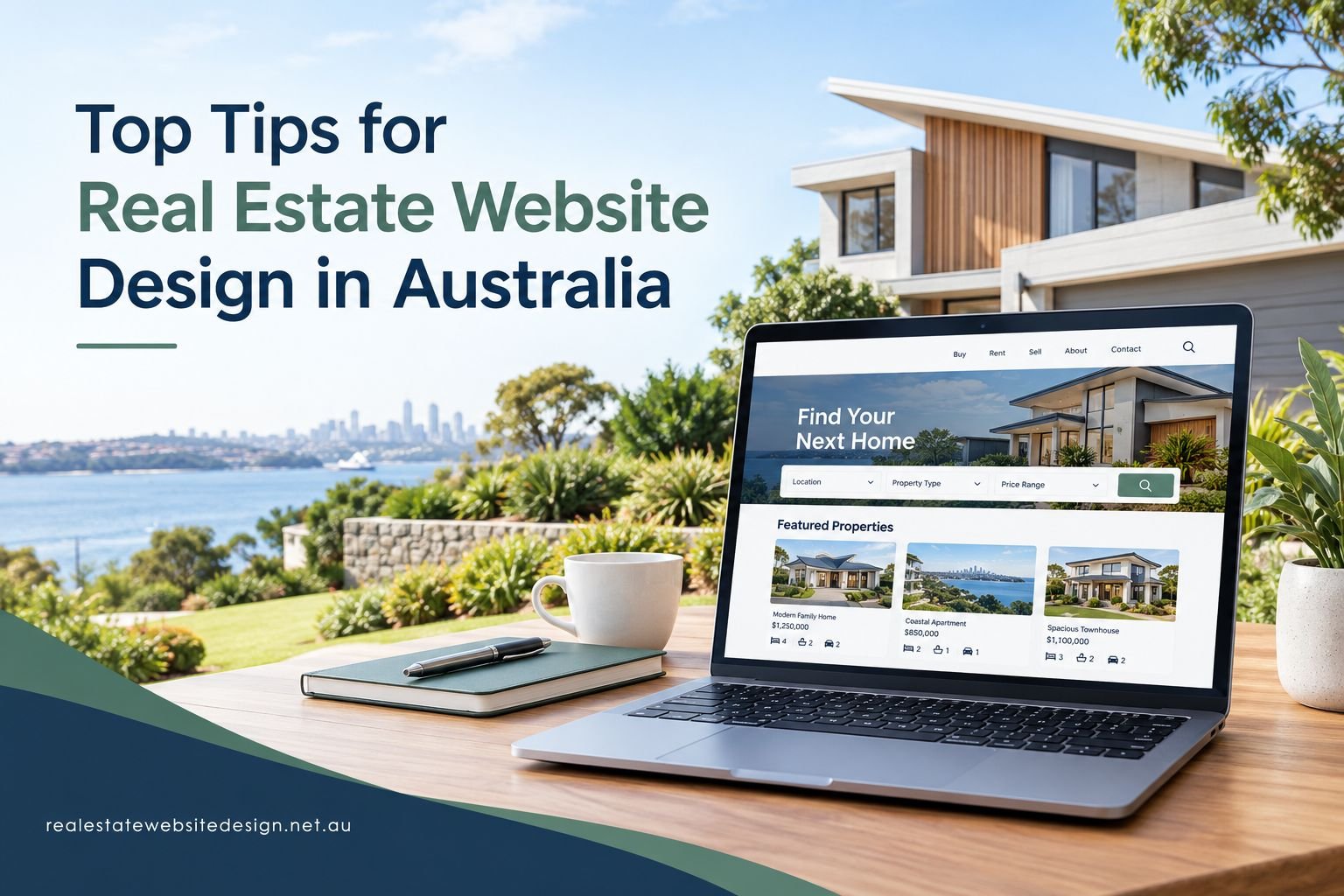
A real estate website helps buyers find homes, sellers connect with agents and landlords learn about property management. It also gives people a chance to learn about your agency before they get in touch.
But a good website needs more than great photos and a nice layout. Visitors want to search for homes, check property details and contact your team without any trouble. If they cannot find what they need, they may leave and visit another website.
Good real estate website design starts with your customers. The website should be easy to use, work well on mobile phones and give visitors the information they need.
Here are ten tips to help you build a website that works for your real estate business.
1. Give Visitors a Clear Starting Point
When people visit your website, they should know where to go next. Some may want to buy a home, while others may need a rental property or an agent to sell their house.
Your homepage should guide each visitor to the right section. Keep the menu short and use clear labels such as Properties for Sale, Rentals, Property Management and Contact Us.
Add a short introduction to your agency and explain the areas you serve. You can also show a few featured properties on the homepage. Avoid filling the page with long text, pop-ups or too many banners. A clean layout helps visitors focus on what matters.
2. Help Buyers Find Properties That Match Their Needs
People often search for homes based on their budget, location and family needs. Your website should help them narrow down their options without wasting time.
When planning website design for real estate, include search filters that let visitors choose:
- Suburb, city or postcode
- Minimum and maximum price
- Number of bedrooms and bathrooms
- Property type, such as a house or flat
- Properties for sale or rent
You can also add a map to show where each property sits. This helps buyers check nearby roads, shops, schools and other local places.
Make sure each search result links to a full property page. Visitors should be able to view photos, read the details and contact the agent from that page.
3. Show Each Property in the Best Light
Photos serve as essential elements that assist people when they want to find real estate properties. Buyers can understand the property better through clear images which help them decide if they want to schedule a viewing appointment.
Display high-quality images of the living room together with kitchen, bedroom, and bathroom spaces and all exterior areas. Websites need to show floor plans and video tours which demonstrate property details to help visitors understand the property better.
Each listing should also include the key details:
- Property location and type
- Asking price or price guide
- Number of bedrooms, bathrooms and parking spaces
- Main features and nearby facilities
- Inspection times and contact details
Good real estate web page design gives photos and property details enough room to stand out. Keep descriptions clear and avoid using the same text for every listing.
4. Make Your Website Easy to Use on a Phone
Many people browse homes on their phones. They may check new listings on the way to work or look for an agent while visiting a suburb. Your website should work well on small screens. Text must be easy to read, buttons should be simple to tap, and photos should fit the screen.
Page speed matters, too. Large image files and extra features can slow the site down. Compress images and remove anything that does not help visitors. Ask your real estate website designers to test the site on phones, tablets and computers before launch. This helps you spot problems and give visitors a smooth experience.
5. Help People Get to Know Your Agency
Buying or selling a home is a big step. People want to know who they are dealing with before they share their details or arrange a meeting.
Use your website to introduce your team and explain how you help clients. Add an About Us page, agent profiles and genuine customer reviews.
You can also share details about the suburbs you serve and your recent sales. This helps people learn about your local knowledge.
A good real estate agent website design should make your agency feel friendly and open. Use plain language to explain your services, and give visitors clear ways to reach your team.
6. Make It Easy to Contact Your Team
When visitors find a property they like, they should know what to do next. Sellers should also find it easy to ask for an appraisal or learn about your services.
Add clear buttons such as “Book an Inspection”, “Contact an Agent” and “Request an Appraisal”. Place each button near the information it relates to. Keep enquiry forms short. Ask for a name, email address, phone number and message if these details meet your needs.
Make sure each enquiry reaches the right person. If your website links to individual agents, show their contact details on the relevant property pages. Small changes like these can help your team handle enquiries and give visitors a clear next step.
7. Help Local Buyers and Sellers Find You on Google
Your website should reach people who do not know your agency yet. Search engine optimisation (SEO) can help your pages appear in relevant Google searches. Start with clear page titles, useful headings and original content. Add pages for the services and locations you cover, but give each page a clear purpose.
For example, if you serve several Melbourne suburbs, write about the areas you know. Share useful details about local property types, nearby facilities and your services.
You can also answer common questions through blog posts, such as how to prepare a home for sale or what to check before an inspection.
Good real estate website design gives your content a clear structure. Make sure pages load well, links work and property details stay up to date. SEO takes time, so focus on useful content and a good website experience rather than quick results.
8. Choose a Website Designer Who Understands Property
A real estate website has needs that differ from those of many other businesses. You may need property search tools, listing updates, enquiry forms and links to your existing software.
Before choosing a real estate web design company, review its past work. Open the websites it has built and check whether you can find property details with ease.
Ask about the features you need, such as:
- Property search and listing tools
- Mobile-friendly layouts
- Enquiry forms and customer management tools
- SEO setup and website security
- Ongoing support and updates
A good provider should explain your options in simple terms. It should also help you choose features that suit your agency, rather than add tools you do not need.
Compare the full scope of work before you agree to anything. Find out who will update listings, fix problems and manage the site after launch.
9. Make the Website Easy for Everyone to Read
The website requires functionality that supports users who possess different abilities and technical knowledge levels. Visitors can find information through a well-organized layout that prevents them from getting lost during their search.
The website needs font styles that readers can understand together with headings that display properly through text colours that improve text visibility. Keep paragraphs short and give each page a clear purpose.
Buttons need to display their functions through their design. Users need text descriptions for images which should also support keyboard navigation to access all website features.
The real estate web design service evaluation process needs to include website access and user experience evaluation methods from the service provider. The following steps will enable your website to attract more users who feel safe during their navigation experience.
10. Test the Website Before It Goes Live
Before launch, check each page and feature. A broken link or a form that fails to send messages can lead to missed enquiries.
Go through the site as a buyer or seller would. Search for a property, open its listing and try to contact the agent.
Check that:
- Photos, prices and property details are correct.
- Search filters and buttons work.
- Enquiry forms reach the right team member.
- Phone numbers, email addresses and links are correct.
- Pages work on phones and computers.
After launch, keep the site up to date. Remove old listings, add new properties and review which pages attract visits and enquiries.
Use this information to spot problems and decide what to improve.
Final Thoughts
Your website should help people find properties, learn about your agency and contact your team with ease. A clear layout, useful search tools, good photos and simple contact forms can make a real difference.
Start with the features your customers need most. You can add more tools as your agency grows.
With careful planning, real estate website design can help you present your business, share property listings and build trust with buyers, sellers and landlords.
Looking to build a website that helps your real estate business grow? Our Real Estate Website Design services can help you create a user-friendly website that makes property searches simple and brings your services closer to the right audience.
Frequently Asked Questions
1. Why does a real estate business need a website?
A real estate website helps buyers find properties, sellers connect with agents and landlords learn about your services.
2. What features should a real estate website have?
It should include property search filters, clear photos, property details, contact forms and a mobile-friendly layout.
3. How can Real Estate Website Design help my business grow?
Good Real Estate Website Design helps people find your services, explore property listings and contact your team with ease.

