A real estate website should do more than display property listings. It should help people find homes, learn about your services and contact your agency. Yet, many websites attract visitors without turning them into enquiries.
The solution starts with a clear plan. You need the right pages, useful features, strong property photos and simple ways for visitors to get in touch.
Real estate website design should focus on three goals: attracting the right audience, building trust and turning interest into action.
Here are the steps to build a website that supports your agency’s growth.
Step 1: Define Your Website Goals and Audience
Before you design your website, decide what you want it to achieve. Your goals will guide your choice of pages, features and content.
For example, your agency may want to:
- Attract buyers who want to view properties
- Generate enquiries from homeowners who plan to sell
- Reach landlords who need property management
- Build a strong presence in your local market
Your audience matters, too. Buyers may want property search tools, while sellers may look for valuation services and details about your sales process. A solo agent may focus on personal branding, while an agency with several agents may need team profiles and separate service pages.
Set clear goals from the start. This will help you build a website that meets visitor needs and supports your business.
Step 2: Choose the Right Type of Real Estate Website
Not every agency needs the same website. Your choice should match your services, audience and business model.
Solo agent website
An independent agent may need a website that highlights their experience, local knowledge, property listings and client reviews.
Real estate agency website
An agency may need team profiles, buying and selling services, property listings and pages for different locations.
Property management website
A property management business may need rental listings, tenant enquiry forms, owner resources and maintenance request options.
Choose a structure that fits your work. A clear plan will help visitors find the right information and contact the right person.
Step 3: Choose a Website Builder and Template
Your website platform affects how you build, manage and update your site. Some platforms offer ready-made templates, while others allow more control over the layout and features.
Look for a platform that lets you:
- Add and update property listings with ease
- Create new pages as your business grows
- Manage images and written content.
- Set page titles and meta descriptions.
- Connect contact forms and enquiry tools.
When selecting a template, focus on ease of use rather than looks alone.
Good real estate web page design gives property listings, contact details and key services a clear place on each page. It should also work across mobile phones, tablets and desktop screens.
Step 4: Pick a Domain Name for Your Agency
Your domain name is your website’s online address. Choose a name that people can remember, spell and share with ease.
Your agency name is a good starting point. You can also consider your location if it forms part of your brand.
Keep these points in mind:
- Choose a short and clear name.
- Avoid unusual spellings that confuse visitors
- Check that the domain is available
- Use a domain ending that suits your market
For agencies serving Australian buyers and sellers, real estate website design in Australia should reflect local needs and the areas the business serves.
A clear domain name helps people recognise your agency and find your website when they need your services.
Step 5: Set Up Secure Hosting and SSL
Your website needs reliable hosting to stay available and load pages without long delays. Slow pages can frustrate visitors who want to browse property listings or contact an agent.
Choose hosting that can support your website’s traffic and future growth. Check that your provider offers backups, security support and help with technical issues.
An SSL certificate also matters. It helps encrypt information sent between a visitor’s browser and your website. This is important when people submit contact details through your forms. Security and performance should form part of your website plan from the start.
Step 6: Design Your Website to Build Trust and Generate Leads
Visitors need a reason to trust your agency. Your website should look professional, explain your services and make the next step clear.
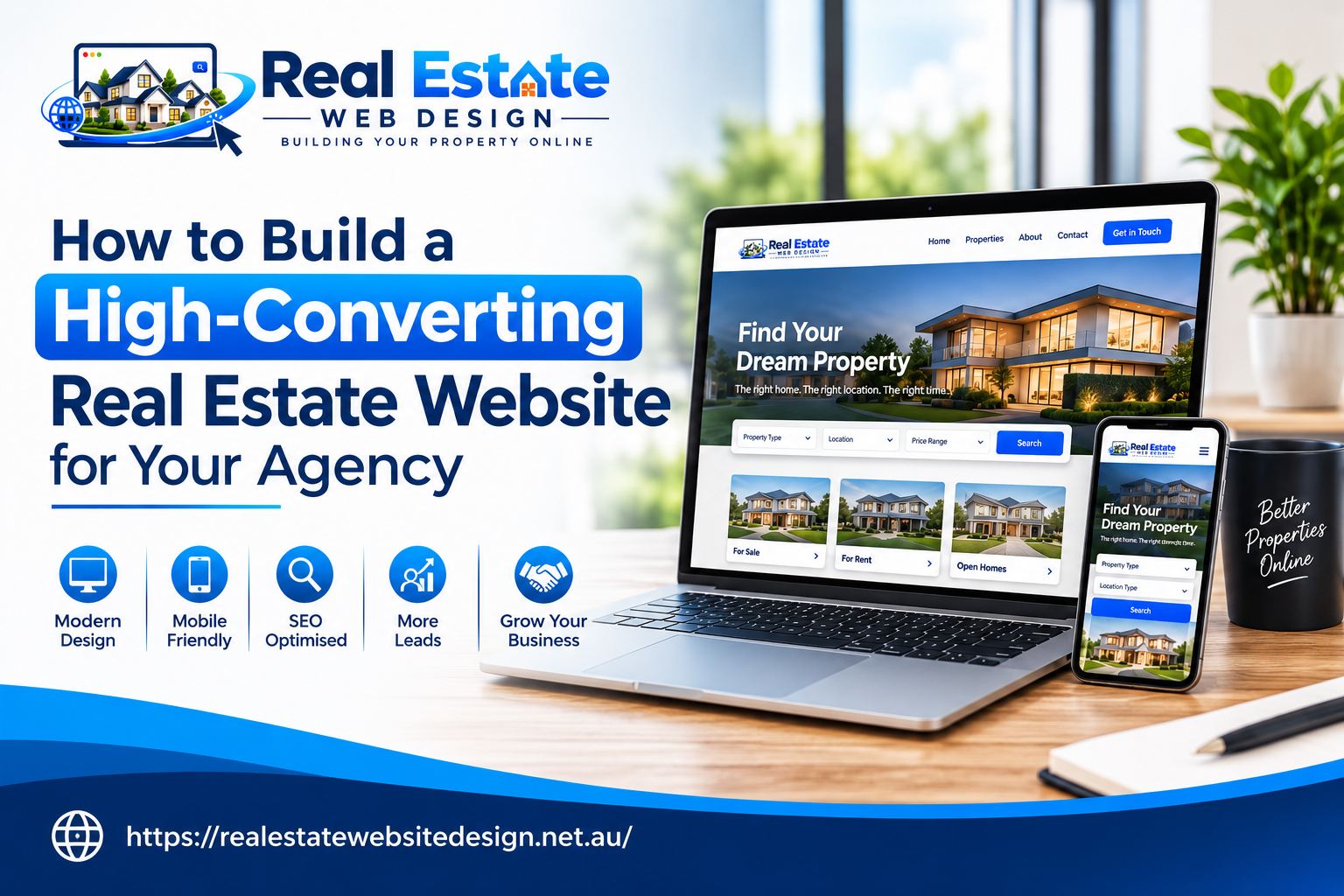
A well-structured real estate website design combines a clean layout with features that help visitors take action.
Keep the layout simple
Use clear headings, readable text and short menus. Visitors should be able to find your property listings, services and contact page without confusion.
Add quality property photos
Use clear images that show the rooms, outdoor spaces and main features of each property. Video tours can help visitors explore a home before booking a viewing.
Display genuine client reviews
Reviews and client feedback can help people understand your service. Use real testimonials and seek permission before publishing them.
Add clear calls to action
Buttons such as “Book a Viewing”, “Contact an Agent” and “Request a Valuation” tell visitors what to do next.
Make contact easy
Place contact forms on relevant pages. Ask only for the details you need to respond to an enquiry.
A skilled real estate web design company can help bring these elements together and create a website that suits your audience.
Step 7: Add Features That Help Visitors Find Properties
Your website should give people the tools they need to explore listings and compare their options.
Start with the features your audience will use most.
- Property search: Let visitors search by location, price and property type.
- Property listings: Show prices, key details, photos and descriptions.
- Map view: Help users understand where each property sits.
- Virtual tours: Let buyers explore selected properties online.
- Mortgage calculator: Help buyers estimate repayments.
- Enquiry forms: Let visitors request details or book a viewing.
For larger agencies, property feed integration may help keep listings up to date. Choose features that solve a real problem rather than adding tools that visitors may not need.
The right real estate web design services should focus on usability, performance and lead generation.
Step 8: Create Useful Content for Buyers and Sellers
Your website content should answer the questions people ask before choosing an agent or buying a property.
Start with clear service pages, an About Us page, a contact page and pages for your main service areas.
You can then add blog posts about topics such as:
- Tips for first-time home buyers
- How to prepare a home for sale
- Questions to ask before buying a property
- Local property market updates
- Advice for landlords and property investors
Use simple language and share information that reflects your local market. Add photos, videos or downloadable guides when they help explain a topic.
Useful content can build trust and give people a reason to return to your website.
Step 9: Improve SEO, AI SEO and GEO
A website must be easy to find and easy to use. One way to increase the number of visitors to your site is through search engine optimisation (SEO). SEO involves using keywords that are relevant to your business in your website’s page titles, headings and descriptions. Creating location pages and keeping your business details consistent across your website and business listings are also beneficial for SEO.
AI SEO and GEO (Generative Engine Optimisation) can also support your search visibility. Focus on clear answers, accurate information and content that shows genuine knowledge of your market.
For example, a guide to buying a home in a local suburb can answer common questions and help search tools understand your expertise.
A sound real estate website development plan should include SEO from the beginning. However, no method can guarantee search rankings or mentions in AI-powered results.
Step 10: Test Your Website and Track Results
Before launch, test your website on mobile phones, tablets and computers. Check every link, form, property filter and contact button.
After launch, use tools such as Google Analytics and Google Search Console to review traffic and search performance.
Track results that matter to your agency, including:
- Property viewing requests
- Contact form submissions
- Valuation enquiries.
- Visits to key service pages.
- Search traffic from your target areas.
Use these findings to improve weak pages, fix problems and test new calls to action. Regular updates can help your website keep pace with your business.
Conclusion
Your real estate website should do more than show property listings. It should help people find the right property, learn about your services and feel ready to contact your team. With clear pages, quality photos, simple navigation and useful content, you can turn more visitors into genuine enquiries.
At Real Estate Website Design, we help agencies build websites that look professional and make it easy for people to take the next step. From mobile-friendly layouts to property search features and SEO, we focus on what your business needs to grow online.
Ready to build a website that works for your agency? Choose Real Estate Website Design and give your visitors a better way to explore properties, connect with your team and take the next step.
Frequently Asked Questions
What makes a real estate website successful?
A successful real estate website provides visitors with direct access to property information, high-quality visual content and user-friendly site structure and straightforward methods to connect with the company. The system enables visitors to locate properties and make confident inquiries about them.
How much does real estate website design cost?
The pricing for website development hinges on the number of features you need and the total dimensions of your website and its functional requirements. Basic websites may cost less, while custom designs with advanced property search tools need more investment.
How can a real estate website attract more leads?
The website needs to display specific calls to action, complete property information, straightforward contact forms, local search engine optimisation, and positive client feedback. The system includes various features which help customers establish contact with your agency.
Why is mobile-friendly web design important for real estate?
A mobile-friendly website lets users explore listings while they can see pictures and reach out to agents through their smartphone devices. The system provides users with an uninterrupted experience while it enables them to handle multiple incoming requests.